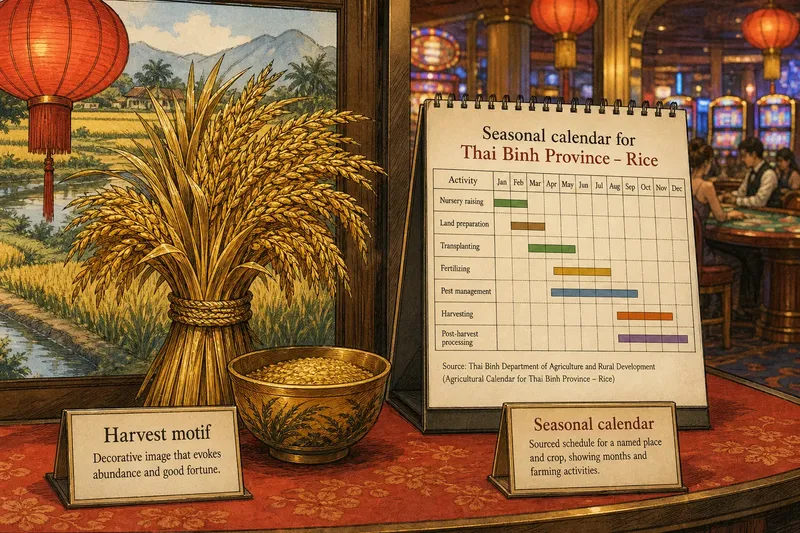
How Casino Menus Turn Vietnamese Crops into Dining Experiences
See how Vietnamese crops shape casino dining through texture, flavour and presentation, and choose dishes by the experience their ingredients promise.
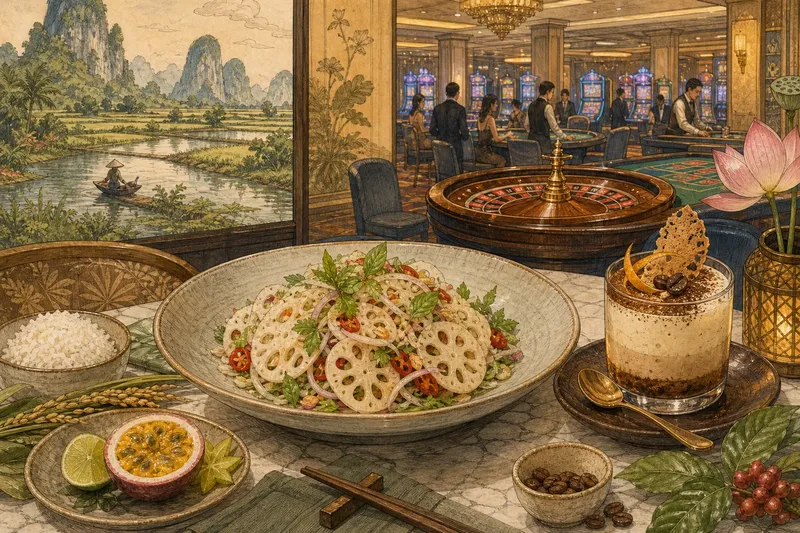
A bowl of lotus-root salad arrives beside the casino floor: crisp slices, herbs and a dressing that cuts through the richness of a long evening. On a Vietnamese casino menu, crops do more than name ingredients. They can shape texture, flavour, presentation and the sense of occasion around a meal.
Vietnamese crops on casino menus
Vietnam’s varied growing landscapes offer menus a vivid vocabulary. Rice can anchor a meal, lotus root brings a distinctive crunch, and coffee can lead into a dessert or after-dinner drink. These ingredients let a kitchen build a dining experience around familiar foods without making every dish feel alike.
That role is different from making a claim about where an ingredient was grown. Here, the useful question is what the crop contributes to the plate: its taste, texture, culinary associations or place in the meal. A menu can use a crop as a starting point for a creative dish, whether or not the crop defines the whole experience.
Texture, flavour and form
Lotus root is often chosen for its crisp, porous slices, which can contrast with softer ingredients in a salad or stir-fry. Rice gives a kitchen a flexible base, while fruit can add fragrance or acidity to a dessert. Coffee brings bitterness and roasted notes that work in a drink, cream or sauce.
Preparation changes the crop’s role. A chef might serve lotus root raw and finely sliced for crunch, or cook it until tender. Rice may be steamed, formed into a crisp layer or used to thicken a preparation. The ingredient stays recognisable, but its texture and place in the dish shift.
Landscapes as inspiration
Vietnamese agricultural landscapes can inspire a menu’s palette and presentation. A dish might borrow the bright herbs and fresh contrasts associated with a river landscape, or use the depth of roasted coffee to suggest a highland setting. Such choices are about culinary interpretation: the kitchen turns an idea of place into flavour, colour and form.
Casino dining also has its own rhythm. Some guests want a quick, savoury plate; others are settling in for a leisurely meal or marking a night out. Crop-based dishes give chefs ways to move between those moods, from a light salad to a rich coffee dessert. The setting can influence how a dish is presented, but it need not dictate what the ingredient means.
Choosing a crop-led dish
When a menu centres a dish on a Vietnamese crop, consider what you want from the meal before choosing. Check the ingredient list and preparation description, then look for the qualities that matter to you: a crisp bite, a substantial base, a bright finish or a roasted flavour.
- Check the named crop: If the menu names lotus root, rice, fruit or coffee, decide whether you want that ingredient’s role; if the name is unfamiliar or unclear, ask what is in the dish or choose one with a more descriptive ingredient list.
- Check the preparation: If the menu says raw, steamed, fried or roasted, use that cue to decide whether the expected texture suits you; if the method is missing, ask how the crop is prepared or select a dish with a clear description.
- Check the surrounding ingredients: If herbs, citrus or chilli are listed, decide whether those flavours fit your appetite; if the list is vague, ask about the main components or choose a simpler dish.
- Check the dish’s role: If it is presented as a salad, side, main or dessert, decide whether that suits your meal; if its role is unclear, ask about portion and accompaniments or choose a menu item labelled more plainly.
- Check the flavour words: If the description promises bitter, sweet, sharp or savoury notes, decide whether that profile appeals; if it offers little detail, ask for a brief description or choose based on ingredients you already enjoy.
- Check the occasion: If you want a lighter plate or a lingering dessert, choose a crop and preparation that fit; if the menu gives no useful clue, ask which option is lighter or more substantial, then decide from the answer.
Questions about crop-led dishes?
What makes lotus root distinctive?
Its crisp texture and patterned slices can make it stand out in salads, stir-fries and other dishes. The preparation determines whether it stays crunchy or becomes softer.
How might rice appear beyond a side dish?
Rice can form a meal’s base, add structure to a preparation or take on a crisp texture. Read the menu’s description to see which role it plays in that dish.
What does coffee add to dessert?
Coffee can contribute roasted, bitter notes that balance sweetness in a cream, cake or drink. The surrounding ingredients determine whether the result leans rich, sharp or mellow.
Can a crop shape the feel of a meal?
Yes: a crisp salad, a comforting rice dish and a coffee dessert create different textures and rhythms at the table. Choose according to the kind of meal you want, rather than the crop name alone.
A menu choice in practice
Say you want a dessert after dinner and the menu lists “coffee cream with citrus”. Your starting point is the crop and flavour combination: coffee suggests roasted bitterness, while citrus promises brightness. You check the description and see that it is served chilled with a crisp topping, so you expect a contrast between smooth cream and crunch. If that sounds appealing, you order it; if you would rather have something less rich, you ask whether the citrus is the main flavour or choose a fruit dessert instead. The decision turns on the experience described, not on an assumption about where the coffee was grown.
Read the plate
Vietnamese crops give casino kitchens practical ingredients and expressive ways to build a dish. Look at how each one is prepared, what it is paired with and where it fits in the meal. That reading helps you choose for the texture and flavour you want, while leaving the kitchen room to reinterpret familiar crops with a sense of place.